09/04/2017

Photography Exercise 2

To what extent did you consider the composition, viewpoint or lighting?
The photographs were from 2008 when I was in Tunisia with my wife. In that time I did not too much about composition, and most of the photograph are "content empty".

Why did you take a photograph rather than just buying a postcard?
I love to make photographs. When I was searching the photographs, I have noticed that the photographs of sightseeings are not so interesting that those which depict a moment of the place. The photograph of the relics was empty and dull.


What are special qualities of these images?
The quality is that I remember really nice moments with my wife of course. The second shot of bathroom is interesting because I thought the tube was against the door not to the right. The third image reminds me the sunset and how beautiful it is to watch it on the beach.


Do you think mobile equipment devalues the final image if little or no thought has gone into the photography?

I am not sure, it depends on why we want to take a picture. A mobile phone is great to capture any moment which crossed our path. It easy to use, quick, nearly no weight. The quality is good for me as a user of iPhone. I love to search photographs in my mobile and remembering the space and time. Here are pictures which were taken last week in Geneva Switzerland. The first photograph is a bar in a Hotel I stayed, the second is a part of a park. Another think of mobile is a panoramic function which I was trying for the second time. I think it does not matter which equipment we use. There always be the good and bad quality of photographs.




Exercise 1

I have made two photographs from my attic window. One was made by a fisheye lens Samyang 8 mm and the second by lens Canon 135 mm.

The wide point of view in the first picture gives information it was taken from a roof of a house. We can see a wood, a pool, a town. On the other hand, the second telephoto picture shows us only a part of the same space we can see in the first picture. We receive only a separated information in contradiction of the first wide photograph. We are not able to say it is the same space or the day the photographs was taken.


08/04/2017

What is the effect of an absence of familiar subjects in the image?

The eyes are so quick that it was hard not to read the caption :-). Anyway, it is an image where the mind does not know what is in photographs for the first glance. The printed image is also "small", and I had to lean my head closer to see what is there and I was not sure what it is. For the familiar objects are missing the picture captured me. I want to know more, I guess it is a dark place where the light goes through a hole in the wall or roof? What is the object in front, at the bottom of the photograph? Can I have more information?


There are things that are hard to photograph

There are things that are hard to photograph: guerrilla warfare, the end of an era, the meaning of a place. And there are things it is nearly impossible to photograph: the subtle workings of human heart, the wandering paths desire and fury take, the bonds of love and blood that tie people together, the decisions that tear them apart, the way that the most unprepossessing landscape can become home and thus speak of stories, traditions, gods that strangers cannot decipher from the rocks and streams. ......

Rebecca Solmit
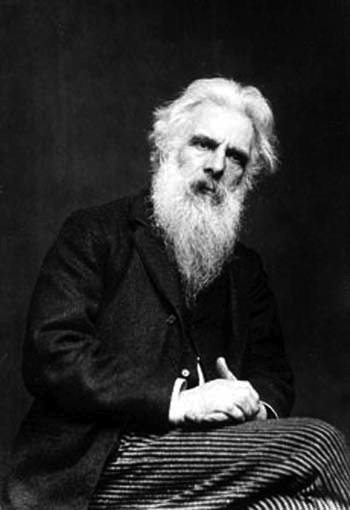
Motion Studies: Time, Space & Eadweard Muybridge

01/04/2017

Project 2 Exercise 4

Is the photography simply providing an authentic record of the artwork - photography as evidence - or is it part of the artwork itself?

The photograph is a window which can convey us a view of nearly anything. We can travel through time and space at our desk in the living room and drink our preferred drink.

Is photograph as evidence?

Indeed yes, a picture can capture a very moment of an event. If the camera is in "right" hands, the photographs can have a mystique tone. I love Lartigue's photographs, especially what they do with the mind.


On the other hand, there are photographs without the "mystery" tone, but they convey the space and time like in these examples in this web link: http://zoehowarth.blogspot.cz/2013/07/land-art-andy-goldsworthy-and-richard.html


The photograph is a "proof" of work which is somewhere in space. Through the photographs we can see it, anybody has access to that work. The work is cut off space and is transferred via paper or screen.

Certainly, the photograph is a part of the Art in it. What the photograph can not transfer are the circumstances when we watch the work via our eyes: the airy contact, many different angles of viewpoints, colours, environment. It is the big difference to see Van Gogh's paintings in photographs and on self-eyes.

19/03/2017

Muybridge


https://www.youtube.com/watch?v=5Awo-P3t4Ho&t=105s

Notes from Motion studies: time, space & Eadweard Muybridge by Rebecca Solnit

The 1870s: In that decade the newly invented telephone and phonograph were added to the photography, telegraphy, and the railroad as instruments for "annihilating time and space".

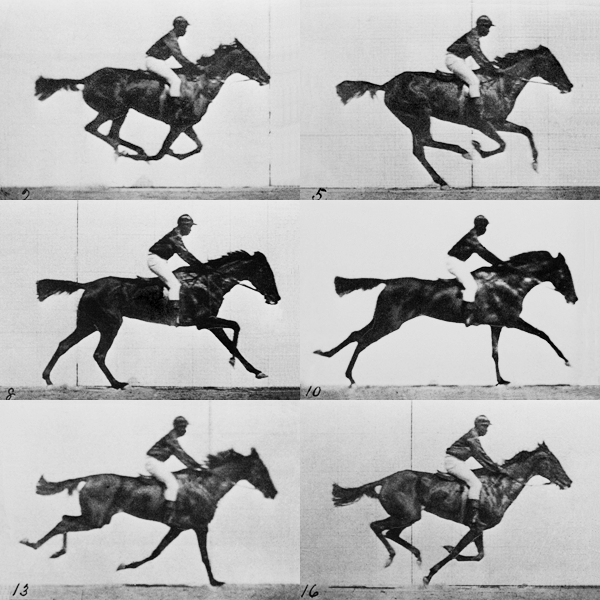
Muybridge produced more successful high-speed photographs than anyone had before.

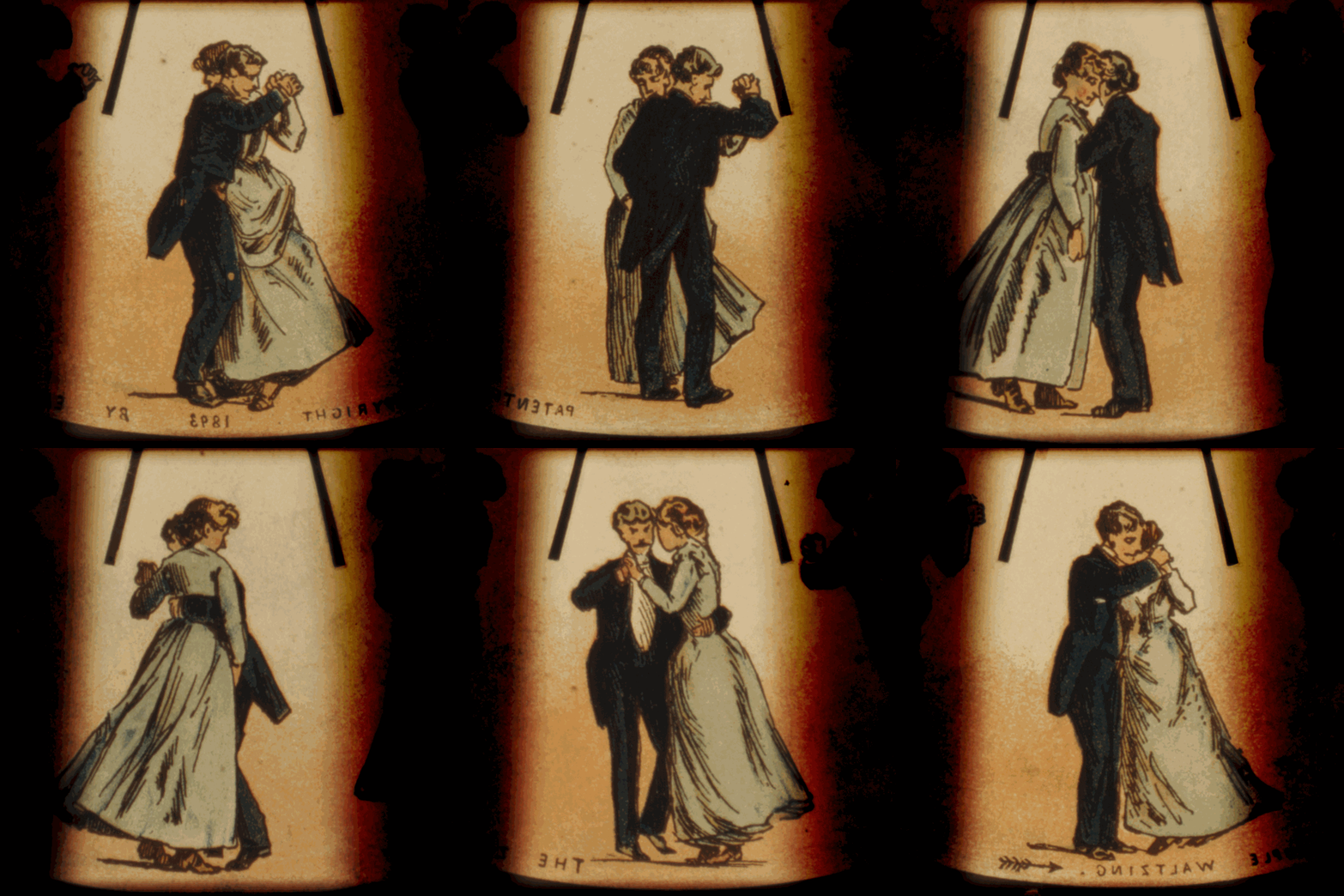
Muybridge's Zootrope, a small device invented in 1834 that makes a series of spinning images seen through a slot appear to be a single image in motion.


Motion pictures changed the relationship to time further, they made it possible to step in the same river twice, to see not just images but events that had happened in other times and other places, almost to stop living where you were and start living in other places or other times. Movies became a huge industry, became how people envisioned themselves and the world, defined what they desired and what was desirable. Andrej Tarkovsky thought that time itself, "time lost or spent or not yet had," was what people desired and fed upon in the films that became a collective dream world inhabited by multitudes. It all began with photographs of a horse in California.

The transcontinental railroad changed the scale of the earth itself, diminishing the time it took to circumnavigate the globe. With the completion of the railroad those three thousand miles of desert, mountain, prairie, and forest could be comfortably crossed in under a week.

Ulysses S. Grant remembered riding on one of the early railroads in Pennsylvania in 1839 with the same amazement that most early travellers recorded: "We travelled at least eighteen miles an hour when at full speed, and made the whole distance averaging as much as twelve miles an hour. This seemed like annihilating space. "If distance was measured in time, then the world had suddenly begun to shrink, places connected by railroads were, for all practical purposes, several times closer to each other than they ever had been.

People were being drawn out of their small familiar worlds into one more free, less personal, in which the associations that once attached to each person, place, and objects came undone.

Grant and Emerson were sounding variations on one of the stock phrases of the day, "the annihilation of time and space," which was applied over and over to railroads and other new technologies.

The third great transformer of time: photography. For if railroads and photography had one thing in common, it is that they bought the world closer for those who rode or looked. (p. 14).